Alcohol Use Disorder: Effects and Treatment
Learn about alcohol use disorder and how to find help for yourself or someone you love.

Alcohol Addiction Overview
About Alcohol Misuse
Treatment Programs
Alcohol Use and Addiction
- Nearly 29.5 million Americans (10.6%) age 12+ have alcohol use disorder; AUD is treatable with evidence-based medical and behavioral interventions
- Alcohol withdrawal can be life-threatening, with delirium tremens (DT) affecting 1-2% of heavy drinkers and carrying a 1-4% fatality rate without treatment
- Evidence-based treatment includes medically supervised detox, MAT (disulfiram, naltrexone, acamprosate), behavioral therapy (CBT, MI), and co-occurring disorder care
- Laguna Treatment Center in Orange County, CA is a licensed chemical dependency recovery hospital offering hospital-based medical detox, inpatient rehab, and chronic relapse programs
- Insurance covers alcohol addiction treatment under federal mandate; call for free, confidential insurance verification 24/7

Understanding Alcohol Use Disorder (AUD)
Alcohol use disorder (AUD) is the clinical diagnosis for alcohol addiction. It is characterized by an inability to control compulsive drinking despite significant negative effects on health, relationships, career, and overall quality of life.
AUD affects nearly 29.5 million Americans age 12 and older, making it one of the most prevalent substance use disorders in the country.
While AUD is a serious and potentially fatal condition, it is treatable with the right combination of medical care, behavioral therapy, and ongoing support.

Risk Factors for Developing Alcohol Use Disorder
A complex interplay of genetic, environmental, and psychological factors influences a person’s vulnerability to AUD.
Having risk factors does not guarantee addiction, but these elements increase susceptibility:

Harmful Effects of Alcohol
Harmful Effects of Alcohol on the Body and Mind
Excessive alcohol use causes both immediate dangers and long-term health consequences affecting every organ system:
Short-term risks include: falls, drownings, burns, and motor vehicle collisions (even moderate drinking doubles injury odds); acts of violence including domestic assault and sexual assault; alcohol poisoning from dangerously high blood alcohol concentration; and risky sexual behavior leading to unintended pregnancy or STDs.
Long-term health consequences of chronic drinking include: liver cirrhosis and fatty liver disease, cardiovascular disease and hypertension, weakened immune system, pancreatitis, various cancers (mouth, throat, esophagus, liver, colon, breast), peripheral neuropathy (nerve damage), cognitive impairment and brain damage, depression and anxiety, sexual dysfunction, nutritional deficiencies (thiamine, folate, B12), and social consequences including unemployment, family breakdown, and legal problems.
Alcohol Withdrawal Symptoms
Alcohol withdrawal begins within hours to days after stopping or significantly reducing heavy, prolonged drinking. Unlike many other substances, alcohol withdrawal can be life-threatening and requires medical supervision.
Withdrawal symptoms include: profuse sweating and elevated heart rate (pulse above 100 bpm), hand tremors, insomnia, nausea and vomiting, visual, tactile, or auditory hallucinations, psychomotor agitation, severe anxiety, and generalized tonic-clonic seizures.
Medical detox is the preferred setting because withdrawal severity is unpredictable. Detox involves 24-hour medical monitoring, correction of nutritional deficiencies, administration of benzodiazepines or other medications to prevent seizures and manage symptoms, and stabilization before transitioning to rehabilitation.
Delirium Tremens
Delirium tremens is the most severe form of alcohol withdrawal, affecting approximately 1-2% of people with heavy alcohol use history.
DT typically lasts 3-4 days but can persist up to 8 days. Without treatment, DT has a fatality rate of 1-4%.
Signs of delirium tremens include: rapid heart rate (tachycardia), dangerously high blood pressure, severe anxiety and agitation, delirium with reduced awareness of surroundings, vivid visual, auditory, or tactile hallucinations, seizures, profuse sweating, and fever. DT is a medical emergency requiring immediate hospitalization with intensive monitoring, IV fluids, benzodiazepines, and supportive care.
Evidence-Based Treatment for Alcohol Use Disorder
AUD is a chronic, treatable condition. Effective treatment combines medical detox, medication, behavioral therapy, and ongoing support:
Hospital-Based Medical Detox: 24-hour medically supervised withdrawal management with vital sign monitoring, seizure prevention medications, nutritional rehabilitation, and stabilization. Essential for moderate-to-severe AUD.
Medications for AUD (MAT): Three FDA-approved medications: Disulfiram (Antabuse) creates unpleasant reaction if alcohol is consumed. Naltrexone (Vivitrol) blocks alcohol’s rewarding effects and reduces cravings. Acamprosate (Campral) eases post-acute withdrawal symptoms like anxiety and insomnia.
Inpatient Rehabilitation: 24/7 residential treatment with individual therapy, group therapy, psychoeducation, family involvement, and structured programming. Programs range from 30 to 90+ days.
Cognitive-Behavioral Therapy (CBT): Identifies triggers, thought patterns, and behaviors driving alcohol use; builds coping skills and relapse prevention strategies.
Motivational Interviewing (MI): Enhances internal motivation for change and builds commitment to sobriety through empathic, collaborative conversation.
Dialectical Behavior Therapy (DBT): Teaches distress tolerance, emotional regulation, and mindfulness to manage triggers without drinking.
Group Therapy & Peer Support: AA, SMART Recovery, and therapeutic community groups provide accountability, connection, and shared experience.
Family Therapy: Addresses family dynamics, codependency, communication breakdowns, and builds healthy support systems.
Co-Occurring Disorder Treatment: Integrated dual-diagnosis care for depression, anxiety, PTSD, bipolar disorder, and other conditions alongside AUD.
Aftercare & Continuing Care: Alumni programs, outpatient therapy, sober living referrals, support groups, and ongoing psychiatric medication management are all part of ongoing aftercare.
Alcohol Use Disorder Treatment in Orange County, CA
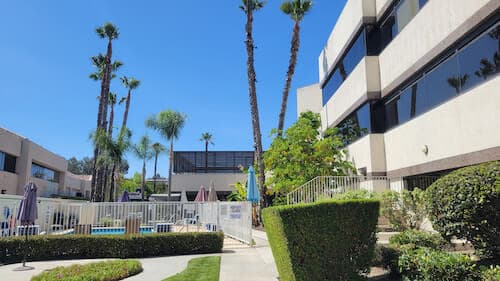
Laguna Treatment Center is California’s first and only addiction treatment facility licensed as a chemical dependency recovery hospital, located in Aliso Viejo, CA.
Our clinical team includes 3 physicians, 30+ registered nurses, 8 counselors, and 6 case managers with over 300 years of combined experience treating 14,000+ patients.
Call to begin the rehab admissions process. Many can get the treatment they need by using insurance to pay for rehab or one of our other rehab payment options.
FAQs
AUD is a chronic medical condition characterized by compulsive alcohol use despite harmful consequences. It is diagnosed using 11 DSM-5 criteria and classified as mild, moderate, or severe.
Alcohol withdrawal can be life-threatening. Delirium tremens affects 1-2% of heavy drinkers and has a 1-4% fatality rate without treatment. Medical detox with 24-hour supervision is strongly recommended.
Three FDA-approved medications: disulfiram (Antabuse) deters drinking, naltrexone/Vivitrol blocks alcohol’s rewarding effects, and acamprosate (Campral) eases post-acute withdrawal symptoms.
Alcohol withdrawal typically begins within 6-24 hours, peaks at 24-72 hours, and resolves within 5-7 days. Delirium tremens can last up to 8 days. Medical detox provides safe, comfortable withdrawal management.
Yes. AUD is treatable. Evidence-based programs combining medical detox, MAT, behavioral therapy, and aftercare produce significant long-term recovery outcomes. Relapse is common but treatable.
Laguna accepts most major insurance plans. Call for free benefits verification.
Evidence-based approaches include CBT, DBT, motivational interviewing, contingency management, family therapy, group therapy, and trauma-informed care, combined with MAT.
Yes. Integrated dual-diagnosis treatment addresses AUD alongside depression, anxiety, PTSD, bipolar disorder, and other mental health conditions simultaneously.
Binge drinking is a pattern (4+ drinks women, 5+ men in 2 hours). AUD is a chronic medical diagnosis involving compulsive use despite harm. Binge drinking is a significant risk factor for developing AUD.
Laguna is California’s only addiction facility licensed as a chemical dependency recovery hospital, with hospital-based detox, Joint Commission accreditation, and a 90-day Brand Promise guarantee.