Opioid Use Disorder: Effects & Treatment
If you or someone you love is struggling with opioid addiction, help is available.

Opioid Use Disorders & Treatment
About Opioid Misuse
Treatment Programs
What Are Opioids?
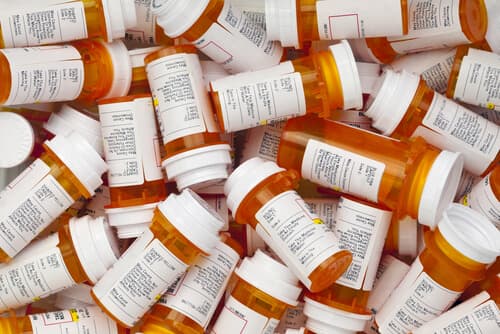
Opioids are a class of drugs derived from the poppy plant or synthesized in a laboratory to mimic its chemical structure. Physicians prescribe opioids for their pain-relieving properties, but these drugs also produce feelings of relaxation and euphoria that make them highly addictive. All opioids are classified as controlled substances due to their significant potential for misuse, dependence, and overdose.
Opioids include both legal prescription medications and illicit substances:
Heroin: Illegal, highly addictive opioid derived from morphine. Injected, smoked, or snorted.
Fentanyl: Extremely potent synthetic opioid (50-100x stronger than morphine). Prescribed for severe pain but increasingly manufactured illegally and added to counterfeit pills and street drugs.
Oxycodone (OxyContin, Percocet): Prescription painkiller commonly prescribed for moderate to severe pain. High abuse potential.
Hydrocodone (Vicodin, Norco): Most commonly prescribed opioid in the U.S. Often combined with acetaminophen.
Morphine: Natural opioid used for severe pain management. Gold standard for pain comparison.
Codeine: Lower-potency opioid found in prescription cough syrups and mild pain medications.
Tramadol (Ultram): Synthetic opioid prescribed for moderate pain. Lower potency but still carries addiction risk.
Methadone: Long-acting synthetic opioid used both for pain and as FDA-approved medication for opioid use disorder treatment.
Effects of Opioids
Opioids work by binding to and activating opioid receptors in the brain and central nervous system to decrease a person’s perception of pain. They also slow breathing and can produce pleasurable feelings such as relaxation and euphoria.8,9
When they bind to opioid receptors concentrated in the brain’s reward pathway, they also cause a surge of dopamine, a neurotransmitter associated with the repetition of pleasurable and important activities. The pleasurable effects of opioids and the surge of dopamine they cause can promote repeated drug-taking and contribute to the drug’s high abuse potential.3,8,10
Opioid Overdose Dangers
Opioid Overdose Risk Factors
- Increasing dose without medical supervision
- Using opioids without a prescription
- Injecting opioids (fastest onset, highest overdose risk)
- Returning to use after a period of abstinence (tolerance has decreased)
- Combining opioids with alcohol, benzodiazepines, or other CNS depressants
- Co-occurring medical or mental health conditions
- History of prior overdose
- Using street drugs potentially contaminated with fentanyl or carfentanil
Opioid Dependence and Withdrawal
Consistent opioid use causes physical dependence, meaning the body adapts and requires the drug to function normally. Dependence is not the same as addiction, but it often precedes it. Withdrawal symptoms begin when use is reduced or stopped.
Common opioid withdrawal symptoms include: intense cravings, muscle aches and bone pain, nausea, vomiting, and diarrhea, anxiety and agitation, insomnia, excessive sweating, rapid heart rate, dilated pupils, and abdominal cramping.
Withdrawal is rarely life-threatening but is extremely uncomfortable and a major driver of relapse. Medical detox manages these symptoms safely with medications and 24-hour supervision.
Finding the Treatment You Need
Opioid addiction is a chronic, treatable medical condition. Recovery is possible, even after multiple relapses. Effective treatment combines medical, psychological, and social support:

Treatment for Opioid Addiction
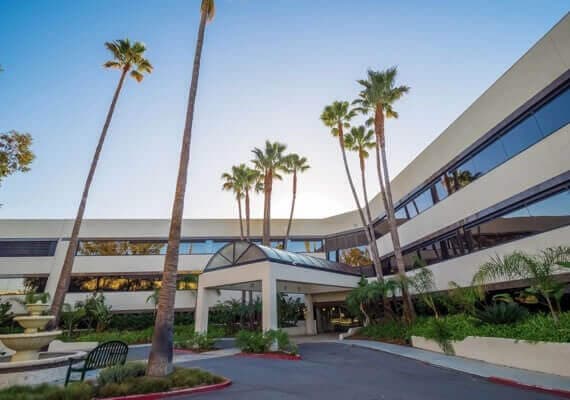
Laguna Treatment Center is a licensed chemical dependency recovery hospital in Aliso Viejo, CA, the first and only addiction treatment facility in California licensed as a chemical dependency recovery hospital.
Our clinical team includes 3 physicians, 30+ registered nurses, 8 counselors, and 6 case managers with over 300 years of combined experience and 14,000+ patients treated.
State of the art addiction care is delivered by an interdisciplinary team of providers that address medical/addiction, mental health and social determinants of health.
- Medically supervised detox with 24/7 nursing and physician oversight
- Inpatient rehabilitation with individualized treatment plans
- Chronic relapse program for individuals with repeated treatment episodes
- Veterans and first responder specialized programming (PsychArmor Certified Veteran Ready)
- Evidence-based therapies: CBT, DBT, MI, contingency management, trauma-informed care
- Medication-assisted treatment (MAT) with buprenorphine, methadone, and naltrexone
- Co-occurring disorder treatment for depression, anxiety, PTSD, and trauma
- Comprehensive aftercare planning, alumni program, and family support
- Joint Commission accredited, BBB A+ rated, LegitScript certified

Opioid Rehab in Orange County
Laguna Treatment Center is a medical detox and rehab facility in Orange County, CA, that provides professional, evidence-based care for anyone struggling with opioid addiction.
Our facility offers various levels of substance abuse treatment, including medical detox, inpatient treatment, and aftercare planning.
Call to start the admissions process or learn more about using insurance to cover the cost of addiction treatment, other rehab payment options, and what to expect in rehab.
When you’re ready, we are here to help you get the care you deserve and begin the path to recovery.
FAQs
OUD is a chronic medical condition marked by compulsive opioid use despite harmful consequences. It is diagnosed using DSM-5 criteria and is treatable with evidence-based medical and behavioral interventions.
Opioid withdrawal typically peaks at 48-72 hours and resolves within 5-10 days. Medical detox uses medications to manage symptoms safely under 24/7 supervision.
Yes. MAT with buprenorphine, methadone, or naltrexone is the gold standard. Research shows MAT reduces opioid use, overdose deaths, and criminal activity while improving treatment retention.
Absolutely. Relapse is a common part of recovery, not a sign of failure. Treatment can be adjusted, and many people achieve lasting recovery after multiple attempts.
Yes. Federal law mandates coverage. Laguna accepts most major insurance. Call 949-565-2377 for free benefits verification.
Aftercare includes outpatient therapy, support groups (NA, SMART Recovery), alumni programs, sober living referrals, and ongoing psychiatric care.
Fentanyl is 50-100x stronger than morphine. It is increasingly found in counterfeit pills, heroin, and other street drugs, making any illicit drug use potentially fatal.
Evidence-based therapies include CBT, DBT, motivational interviewing, contingency management, family therapy, and trauma-informed care, combined with MAT.
Yes. Integrated dual-diagnosis treatment addresses addiction alongside depression, anxiety, PTSD, and other mental health conditions simultaneously.
Laguna is California’s only addiction treatment facility licensed as a chemical dependency recovery hospital, offering medical detox + inpatient rehab + chronic relapse care under one roof with Joint Commission accreditation.